Few countries had a bigger 2026 than Mexico. As a FIFA World Cup host — staging matches in Mexico City, Guadalajara, and Monterrey in June and July — the country welcomed an estimated 5.5 million extra visitors and showed the world its stadiums, fan zones, and famous hospitality. The tournament is over, but the infrastructure, energy, and global attention it created make late 2026 and beyond a fantastic time to visit.
What’s new in 2026
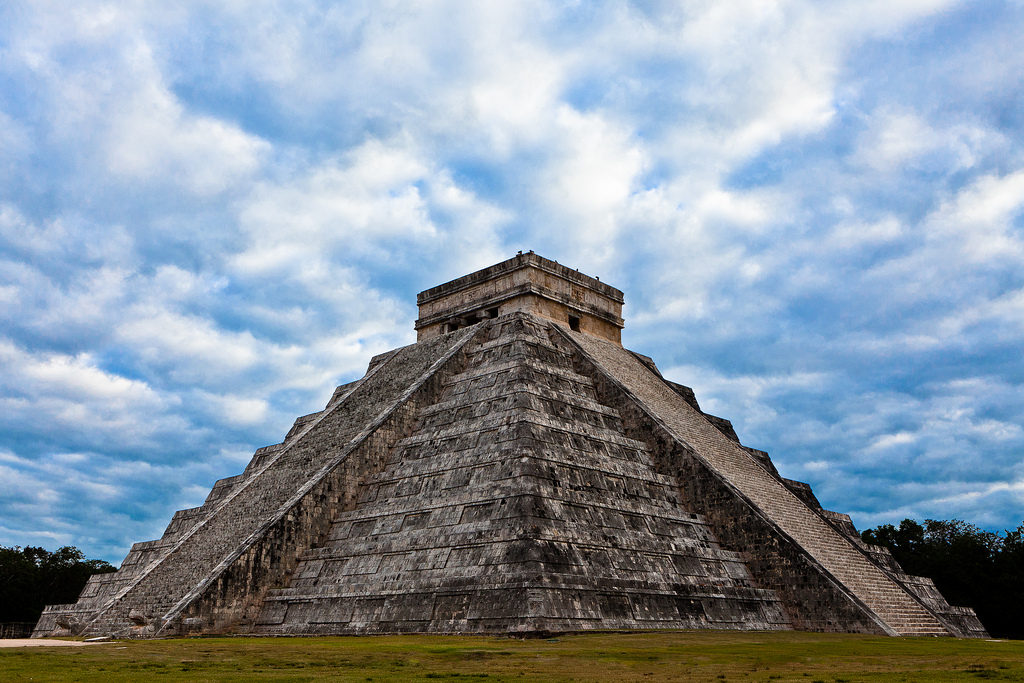
The Maya Train got cheaper. In April 2026, the Tren Maya — the 1,554-kilometer railway looping the Yucatán Peninsula — scrapped its controversial higher “foreigner fee,” slashed fares by up to 30%, and added departures. There is now one unified tourist rate, and there has never been a better time to ride it. The train links Cancún, Chichén-Itzá, Mérida, Campeche, Palenque, Tulum, and the jungle station at Calakmul — ruins, colonial cities, and Caribbean beaches on one ticket.
World Cup host cities are primed. Mexico City’s Estadio Azteca — now the only stadium to host three World Cups — plus Guadalajara and Monterrey upgraded transit, fan zones, and tourism services for the tournament. The legacy: better visitor infrastructure in three of Mexico’s most exciting cities.
Beyond the beach. The government’s tourism push is steering visitors toward pueblos mágicos (magical towns), Maya archaeological routes along the train, and eco-destinations — a more distributed, cultural Mexico.
The essential 2026 itineraries
Yucatán by rail (7–10 days): Fly into Cancún, ride the Tren Maya to Valladolid and Chichén-Itzá, overnight in colonial Mérida, continue to Campeche and Palenque. Jungle, ruins, and cenotes without renting a car.
World Cup cities (5–7 days): Mexico City (Azteca, museums, Roma-Condesa food scene), Guadalajara (tequila country, mariachi), Monterrey (mountains, modern Mexico).
Classic beach + culture: Tulum or Playa del Carmen for the Caribbean, then inland to Oaxaca for mole, mezcal, and some of the world’s best food cities.
When to go
November to April is the dry season — the best beach weather and the easiest ruin-exploring. June to November is hurricane season on the coasts; the interior and Pacific side are less affected. For something unforgettable, time a trip around Día de Muertos (November 1–2): Oaxaca’s celebrations are among the world’s great cultural experiences. And pack layers — Mexico City sits at 2,250 meters, where evenings turn cool even when the coast is sweltering.
Practical tips
- The Yucatán is hot and humid — plan outdoor ruins for early morning.
- Stay hydrated — a refillable bottle is essential between sites.
- ATMs and cards work widely in tourist areas; carry pesos for markets and small towns.
- Resort mornings are bright — sleep in anyway.
What to pack for Mexico
Heat, ruins, beaches, and long rail days. Our country picks: a 3-in-1 handheld fan for the Yucatán heat, a collapsible water bottle for hydration between ruins and beaches, a weekender bag for beach escapes, an 80-piece first aid kit for adventure days, and a blackout sleep mask for bright resort mornings. Find them in the KELOKE shop.