
Posted on — Leave a comment

Colombia: Two Climates, Three Mountain Ranges, One Trip

Colombia is the rare trip that packs a cool high-altitude capital, a spring-warm innovation city, and a Caribbean walled city into one itinerary — usually in that order. Bogotá, Medellín, and Cartagena each feel like a different country, and the coffee hills in between are the Colombia of the postcards. Plan it as a multi-city trip from the start, because picking just one stop means missing the point.

The regions, one by one

  • Bogotá: the capital sits high in the Andes — La Candelaria’s colonial streets, the Gold Museum’s pre-Hispanic goldwork, and the Monserrate cable car above the city at sunset. Cool, busy, and cultural; give it two days minimum.
  • Medellín: the “City of Eternal Spring” — mild weather year-round, the Metrocable gondolas climbing the hillsides, and Comuna 13’s street art and escalators telling the city’s transformation story.
  • Cartagena: the Caribbean showpiece — a UNESCO-listed walled old city of balconies and bougainvillea, the Getsemaní neighborhood’s murals and nightlife, and boat days out to the Rosario Islands’ clear water.
  • The Coffee Region (Eje Cafetero): Salento’s colorful streets, the towering wax palms of the Cocora Valley, and working coffee farms where you pick, roast, and taste in one visit.
  • Santa Marta & Tayrona: the Caribbean coast at its wildest — jungle-backed beaches in Tayrona National Park (check park opening dates before you go; it closes for conservation periods during the year).

Culture notes

Spanish is the language everywhere; English shows up in hotels and tourist zones in the big cities, but a few Spanish phrases carry the trip. Coffee is not a drink here, it is a heritage — order a tinto like a local. Music splits by region: salsa in Cali, vallenato on the Caribbean coast, and reggaetón, which Medellín helped make global. Colombians are famously warm to visitors who try — greet first, rush never.

When to go

The dry windows run roughly December to March and again around July to August — the best bets for Cartagena beach days and Cocora hiking. Bogotá and Medellín don’t have summer and winter so much as wetter and drier months; both stay spring-like (Bogotá: cool) all year. Carnival in Barranquilla, in the days before Lent, is Colombia’s biggest party — book far ahead if your dates touch it.

Practical tips

  • U.S. visitors: no visa for short stays, but Check-Mig is the step people miss: U.S. citizens can visit visa-free for tourism stays of up to 90 days. Every air traveler must also complete Colombia’s free Check-Mig pre-registration online — within 72 hours and no later than 1 hour before the flight — for entry and again for exit. It is free on Migración Colombia’s official site; third-party sites charge fees to file the same form, so go direct. Travel on a passport valid for your stay, and keep proof of onward travel handy.
  • Haitian passport holders: Colombia is on the eVisa list for Haitian travelers — apply online in advance rather than showing up visa-free (see KELOKE’s Haitian passport guide for the full country map).
  • Bogotá is high — land gently: at roughly 2,640 m (8,660 ft) above sea level, the capital can leave sea-level travelers winded and headachy on day one. Take the first day easy, hydrate, and save Monserrate and heavy walking for day two.
  • Power is the easy part: Colombia uses Type A/B sockets at 110V — the same plugs and voltage as the U.S., so U.S. travelers need no adapter or converter.
  • Currency is the Colombian peso (COP); cards are common in the cities, but carry pesos for small towns, markets, and taxis — and use ATMs inside banks where you can.
  • Health — yellow fever is region-specific: CDC posted a Level 2 travel notice for yellow fever in Colombia in September 2026, stressing vaccination at least 10 days before travel to affected areas. It is generally not a Bogotá-only / high-altitude concern — check CDC’s current map for your exact route and talk to a travel-health clinician before jungle or lowland legs.
  • Safety, honestly: the U.S. State Department currently lists Colombia at Level 3 (Reconsider Travel) for crime and other risks, even as millions visit the main tourist circuit without incident. The working rules: registered taxis or ride apps at night, valuables discreet in crowded areas, extra care with phones on the street, and check the current advisory for the specific regions on your route before you book.

What to pack for Colombia

Two climates in one suitcase, a high-altitude landing, Caribbean heat, and long domestic hops. Our country picks: compression packing cubes so Bogotá layers and Cartagena beach clothes share one carry-on, a 3-in-1 handheld fan with power bank for the Caribbean heat, an insulated travel mug for coffee country mornings, a 20,000mAh power bank so your phone (and your Check-Mig QR code) never dies between cities, and a travel-ready first aid kit for Cocora trails and Tayrona beach days. Find them in the KELOKE shop.
Posted on — Leave a comment

Brazil: Bigger Than a Vacation — It’s a Whole World

Brazil is the fifth-largest country on Earth, and it travels like several countries stitched together: Rio’s beach-and-mountain drama, the thunder of Iguazu Falls, São Paulo’s food-and-business energy, Salvador’s Afro-Brazilian soul, and the Amazon — the largest rainforest on the planet. One trip never covers it. The trick is picking your Brazil.

The regions, one by one

  • Rio de Janeiro: Christ the Redeemer above the city, the Sugarloaf cable car at sunset, and the Copacabana and Ipanema beach strip. Rio is the postcard — and it earns it.
  • Iguazu Falls (Foz do Iguaçu): roughly 275 waterfalls shared with Argentina, a UNESCO World Heritage site and one of the New7Wonders of Nature. The Brazilian side gives you the wide panoramic view; plan a full day and expect to get happily soaked.
  • São Paulo: Brazil’s biggest city — world-class restaurants, museums like MASP, and the country’s business heartbeat. Less beach, more city energy.
  • Salvador & Bahia: the Afro-Brazilian heartland — Pelourinho’s colorful colonial old town (UNESCO-listed), drum groups in the street, and acarajé from the baianas’ stands.
  • The Amazon (via Manaus): river tours to the Meeting of the Waters, jungle lodges, and wildlife you will not see anywhere else. Fly into Manaus and go with a reputable local operator.

Culture notes

Portuguese is the language everywhere — English is spoken in hotels and tourist zones, but a few Portuguese phrases open doors. Music and football (soccer) are national languages of their own: samba in Rio, bossa nova on a quiet night, and a match at the Maracanã if your dates line up. Carnival — the world’s biggest party, in the days before Lent (February or March, dates move every year) — turns Rio, Salvador, and Olinda into open-air festivals; book months ahead if you go then.

When to go

Brazil sits mostly in the southern hemisphere, so its seasons flip against the US: Rio’s warmest beach months run roughly December to March. May to September is drier and milder in the southeast and the best window for the Amazon’s dry season. Iguazu runs fullest after the rainy months. There is no single bad month — there is only picking the right region for your dates.

Practical tips

  • U.S. visitors need a visa — it’s already in force: Brazil’s visa requirement for U.S. citizens took effect on April 10, 2025, after earlier postponements. Apply for the e-visa online through the Brazilian government-authorized site well before you fly (airlines check it before boarding), and travel on a valid U.S. passport. Other passports: check your own rule at booking time.
  • Power is the tricky part: sockets are Type N, and voltage is 127V in some cities and 220V in others — bring a universal adapter/converter and check the label on anything with a heating element.
  • Currency is the Brazilian real (BRL); cards are widely accepted in cities, but carry some cash for markets, beach kiosks, and small towns.
  • For the Amazon region, ask your doctor about yellow-fever vaccination and pack serious insect repellent.
  • City smarts: like any big city worldwide, keep phones and jewelry discreet in crowded areas, and use registered taxis or ride apps at night.
  • Eat like a local: feijoada (the Saturday black-bean stew), pão de queijo, churrasco rodizio, and açaí in Belém or Rio — Brazil rewards hungry travelers.

What to pack for Brazil

Long overnight flights, two voltages, beach sand, and waterfall spray. Our country picks: a universal adapter and voltage converter for Brazil’s Type N sockets and split 127V/220V power, a memory-foam neck pillow kit for the overnight long-haul, an RFID-blocking family passport holder for busy airports and markets, a set of padded electronics organizers for multi-city hops, and waterproof shoe bags so Copacabana sand and Iguazu spray stay off your clean clothes. Find them in the KELOKE shop.

Posted on — Leave a comment

Dominican Republic: The Caribbean’s Complete Package

The Dominican Republic packs more variety into one country than almost anywhere else in the Caribbean: the Atlantic’s biggest resort strip at Punta Cana, the oldest European-founded city in the Americas in Santo Domingo, jungle waterfalls in the interior, and a whale sanctuary on the Samaná Peninsula. It is also the Caribbean’s most visited destination — and the easiest add-on for travelers already flying in for Haiti or the wider Caribbean, sharing the island of Hispaniola.

The regions, one by one

  • Punta Cana & the east coast: the classic DR — long white-sand beaches, all-inclusive resorts, golf, and easy flights from the US East Coast, including Orlando.
  • Santo Domingo: the capital’s Zona Colonial is a UNESCO World Heritage site, anchored by the Catedral Primada de América (begun in 1510) and the Alcázar de Colón. This is history you can walk in an afternoon.
  • Samaná Peninsula: the quieter DR — palm-backed bays, Los Haitises National Park’s mangroves and caves, and from roughly January to March, one of the world’s best humpback whale-watching seasons.
  • The interior & north coast: slide and jump the 27 Waterfalls of Damajagua near Puerto Plata, kite-surf at Cabarete, or hike toward Pico Duarte, the Caribbean’s highest peak.

Culture notes

This is the birthplace of merengue and the home of bachata — live music is not an attraction here, it’s the background. Baseball is the national passion, and Dominican players anchor rosters across Major League Baseball. Expect Spanish everywhere outside resort zones; a few phrases go a long way.

When to go

December to April is the dry season — best weather, highest prices. Samaná’s whale season runs roughly January through March. Summer and early fall are hotter and wetter, with the Atlantic hurricane season peaking August–October — travel insurance is a smart buy then.

Practical tips

  • US visitors need no visa for tourist stays (a tourist fee is typically included in the airfare) — just a valid passport, plus the free electronic E-Ticket entry/exit form completed before travel.
  • The DR runs on 110V with US-style plugs, so no adapter needed for Americans.
  • Currency is the Dominican peso (DOP); US dollars are widely accepted in resort areas, but pesos get better prices in towns.
  • Drink bottled or filtered water, and plan beach time early — the midday sun is serious.
  • Eat like a local: mangú for breakfast, a bandera lunch (rice, beans, stewed meat), and fresh seafood on the north coast.

What to pack for the Dominican Republic

Resort days, old-city walking, and tropical heat. Our country picks: a 6-piece compression packing cube set for resort outfits, a weekender bag for a Samaná side trip, a handheld fan for Zona Colonial walking tours, a collapsible water bottle for beach days, and a Bluetooth tracker for bags between airport, resort, and excursions. Find them in the KELOKE shop.

Posted on — Leave a comment

Thailand in 2026: Read the Visa Fine Print, Then Enjoy Paradise

Thailand changed its entry rules twice in 2026 — and if you go without reading them, your long beach stay could get cut short. Get the paperwork right, though, and the Land of Smiles remains one of the best-value adventures on Earth.

What’s new in 2026

The 60-day exemption is gone. On September 15, 2026, Thailand rolled back its generous 60-day visa exemption to the standard 30 days for tourists from 60 countries, including the US, UK, and Australia. Planning a long winter escape? You now need a proper visa or a border run strategy.

Land borders are capped. Visa-exempt entries by land are now limited to two per calendar year — no more endless border hops. Visa on Arrival eligibility was also slashed from 31 countries to just three.

The digital nomad visa got stricter. The Destination Thailand Visa (DTV) — a 5-year multiple-entry visa allowing 180-day stays for remote workers and “soft power” participants (Muay Thai training, cooking courses, wellness) — tightened its rules on August 31, 2026. You must now apply in your home country (no more convenient third-country applications), submit a police clearance certificate, and prove 500,000 THB (about $14,000–15,000) in savings held for at least three months. The fee is THB 10,000.

The trip itself

Bangkok’s temples and street food, Chiang Mai’s mountains and markets, the islands — Phuket, Koh Samui, Krabi — for beaches that justify the flight. Add Ayutthaya’s ruins or a cooking class in Chiang Mai for depth. And eat fearlessly: pad thai from a cart, boat noodles at a market stall, mango sticky rice from any vendor with a crowd — the best meals in Thailand cost a few dollars. End the day with a Thai massage — an hour costs less than a coffee back home, and your temple-climbing legs will thank you. November to February is the sweet spot: cooler, drier, perfect.

Temple etiquette matters: cover shoulders and knees, remove shoes before entering (you’ll do this constantly — plan for it), never point your feet at Buddha images.

When to go

November to February is the sweet spot: cooler, drier, perfect almost everywhere. March to May is brutally hot — Bangkok at 40°C (104°F) is not a joke. June to October is rainy season, though showers are usually short afternoon bursts, and the Gulf islands (Koh Samui) and Andaman islands (Phuket) get their rain in different months — so there’s almost always a dry beach somewhere.

Practical tips

  • Count your 30 days carefully under the new exemption — overstays bring fines and future-entry problems.
  • Thailand uses a mix of plug types (A, B, C, O) at 220V — a universal converter covers every socket you’ll meet.
  • Long-haul flights are brutal (15–20 hours from the US East Coast) — compression socks, a real sleep mask, and noise-canceling headphones transform the journey.
  • Cash is king outside malls and hotels; ATMs charge foreign-card fees, so withdraw larger amounts less often.

What to pack for Thailand

A 17-hour flight, temple-hopping, and tropical islands. Our country picks: compression socks for the long-haul flight, a 3D blackout sleep mask to sleep through the journey, a wearable travel blanket for freezing airplane cabins, waterproof shoe bags for constant temple shoe removal, and noise-canceling headphones to silence the trip. Find them in the KELOKE shop.

Posted on — Leave a comment

France in 2026: New Gates, Same Grandeur

France in 2026: New Gates, Same Grandeur

France remains the most visited country on Earth — targeting 104 million visitors in 2026 — but the way you enter and experience it changed this year. Biometric borders are live, landmark pricing got an overhaul, and a new digital travel authorization is on the horizon. Here’s what actually matters for your trip.

What’s new in 2026

Biometric borders are live. The EU’s Entry/Exit System (EES) became fully operational on April 10, 2026. Entering France now means fingerprint scans and facial recognition at automated gates instead of a passport stamp — and precise tracking of the 90-days-in-180 Schengen rule. Expect slightly longer waits at immigration, especially at first.

ETIAS is coming. The European Travel Information and Authorisation System is expected to launch in late 2026, with wider rollout in 2027. Visa-exempt visitors (including Americans) will eventually need this online pre-authorization — valid up to three years — before flying to France. Applications aren’t open yet; watch for the official platform launch.

The Louvre costs more for non-Europeans. Since January 2026, France has been running a pricing experiment at five major landmarks — the Louvre, Versailles, Sainte-Chapelle, Palais Garnier, and Château de Chambord — charging visitors from outside the European Economic Area higher admission. At the Louvre, that’s €32 vs €22 for EEA visitors. The revenue funds restoration and modernization.

Nature gets caps. Calanques National Park near Marseille reinstated strict daily visitor caps and mandatory advance reservations for summer 2026. Mont Saint-Michel has timed entry and peak surcharges. Book ahead.

The trip, done right

Paris deserves 4–5 days minimum: the Louvre (book the first slot of the day), the Eiffel Tower at night, Montmartre, the Marais, a day trip to Versailles or Giverny. Then choose your France: Provence’s lavender and villages, the Loire’s châteaux (Chambord’s new pricing applies — still worth it), Normandy’s history, the French Riviera, or Bordeaux wine country.

Café culture is the real attraction. Budget an hour a day to sit with a noisette and watch the street. It costs almost nothing and it’s the most French thing you’ll do. Learn ten words of French — bonjour, merci, s’il vous plaît — and doors open that stay closed to monolingual tourists.

When to go

May–June and September are the golden months: long days, warm weather, thinner crowds than July–August. August is when France itself goes on vacation — Paris empties, the coasts fill. December brings Christmas markets in Strasbourg, Lille, and Paris that rival anything in Germany.

Practical tips

France runs on 230V with Type E plugs — bring a voltage converter for US devices, not just an adapter.

93 countries are visa-free, including the US, Canada, UK, and most of Latin America and the Caribbean.

Sundays are quiet — many shops close; museums stay open and get crowded. Plan around it.

A travel mug earns its keep: train stations, morning walks, picnic supplies from a boulangerie.

What to pack for France

European voltage, café mornings, and packing with Parisian efficiency. Our country picks: a universal voltage converter for 230V outlets, a vacuum-insulated travel mug for café culture on the go, an XS/S/M packing cube set in willow green, a 48-count box of European hazelnut chocolates as the classic gift, and an expandable hardside carry-on to glide through Charles de Gaulle. Find them in the KELOKE shop.

Posted on — Leave a comment

Jamaica in 2026: One Love, Bigger Than Ever

Jamaica is thinking big. In early 2026 the government unveiled a bold roadmap: 8 million annual visitors and $10 billion in tourism earnings by 2030, backed by a new Tourism 3.0 strategy that puts local communities, workers, and home-grown businesses at the center. After welcoming over a million visitors in just the first quarter of 2026, the island is riding serious momentum.

What’s new in 2026

Tourism 3.0. The new long-term framework shifts the focus from raw visitor numbers to how tourism benefits Jamaicans — local supply chains, workforce pensions, community participation. For travelers, that means more authentic local experiences and money staying on the island.

New flights. Porter Airlines launched direct nonstop service from Toronto, Ottawa, and Hamilton to Montego Bay for the winter season; Wingo expanded from Latin America; Virgin Atlantic grew UK service. Getting to Jamaica keeps getting easier.

Reggae Sumfest, reimagined. The Caribbean’s premier reggae festival moved to a bold one-night format — “A Taste of Sumfest” at Plantation Cove, St. Ann, on July 18, 2026 — with dancehall heavyweights celebrating the genre’s global influence.

Fresh landmarks. Tuff Gong International Studios reopened in March 2026 fully refurbished, honoring the Bob and Rita Marley legacy; the iconic Floyd’s Pelican Bar was rebuilt and reopened; and the new Louis Grant Conference Center at Sandals Dunn’s River expanded Ocho Rios’ events capacity.

Cruise growth. Over 700,000 cruise passengers arrived in the first seven months of 2026, with Kingston and Port Antonio emerging as new cruise frontiers — and Disney Destiny began calling at Falmouth in October 2026.

Still to come: the Reggae Marathon along Kingston’s waterfront on December 6, 2026.

The island, region by region

  • North coast (Montego Bay, Ocho Rios, Negril): resorts, Dunn’s River Falls, Seven Mile Beach — the classic Jamaica.
  • Kingston: the cultural heartbeat — Bob Marley Museum, Tuff Gong, the food and art scene. Don’t skip it.
  • South coast & east (Port Antonio, Treasure Beach): rainforests, waterfalls, and the Jamaica the brochures forgot.

When to go

December to April is the dry season — peak weather, peak prices. Summer brings heat and the chance of storms, but also the island’s biggest cultural events. After recent storm disruptions, Jamaica’s 2026 rebound has been one of the Caribbean’s strongest stories, with new flights and record early-year arrivals.

Practical tips

  • US visitors need no visa for tourist stays — just a valid passport.
  • Jamaica runs on 110V with US-style plugs, so no adapter needed for Americans.
  • Respect the heat — plan active excursions for mornings.
  • Try beyond the resort: jerk at a roadside spot, a sound system night in Kingston, river rafting on the Martha Brae.
  • Eat like a local: ackee and saltfish for breakfast, patties from a roadside shop, fresh coconut from a beach vendor. The resort buffet is the worst food on the island. Wash it all down with a cold Red Stripe or fresh coconut water — preferably with your feet in the sand.

What to pack for Jamaica

Resort days, island hops, and tropical heat. Our country picks: a 6-piece compression packing cube set for resort outfits, a weekender bag for island hopping, a Bluetooth tracker for bags between coasts, a collapsible water bottle to cut plastic on the island, and a handheld fan for tropical heat. Find them in the KELOKE shop.

Posted on — Leave a comment

Mexico in 2026: Ride the Train, Follow the World Cup

Few countries had a bigger 2026 than Mexico. As a FIFA World Cup host — staging matches in Mexico City, Guadalajara, and Monterrey in June and July — the country welcomed an estimated 5.5 million extra visitors and showed the world its stadiums, fan zones, and famous hospitality. The tournament is over, but the infrastructure, energy, and global attention it created make late 2026 and beyond a fantastic time to visit.

What’s new in 2026

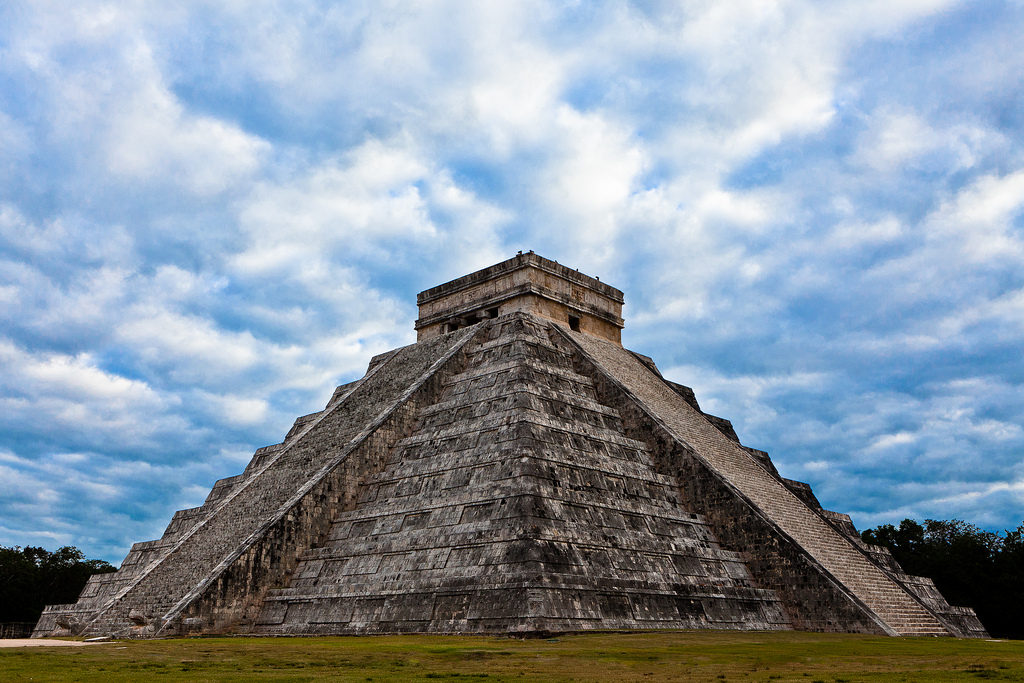
The Maya Train got cheaper. In April 2026, the Tren Maya — the 1,554-kilometer railway looping the Yucatán Peninsula — scrapped its controversial higher “foreigner fee,” slashed fares by up to 30%, and added departures. There is now one unified tourist rate, and there has never been a better time to ride it. The train links Cancún, Chichén-Itzá, Mérida, Campeche, Palenque, Tulum, and the jungle station at Calakmul — ruins, colonial cities, and Caribbean beaches on one ticket.

World Cup host cities are primed. Mexico City’s Estadio Azteca — now the only stadium to host three World Cups — plus Guadalajara and Monterrey upgraded transit, fan zones, and tourism services for the tournament. The legacy: better visitor infrastructure in three of Mexico’s most exciting cities.

Beyond the beach. The government’s tourism push is steering visitors toward pueblos mágicos (magical towns), Maya archaeological routes along the train, and eco-destinations — a more distributed, cultural Mexico.

The essential 2026 itineraries

Yucatán by rail (7–10 days): Fly into Cancún, ride the Tren Maya to Valladolid and Chichén-Itzá, overnight in colonial Mérida, continue to Campeche and Palenque. Jungle, ruins, and cenotes without renting a car.

World Cup cities (5–7 days): Mexico City (Azteca, museums, Roma-Condesa food scene), Guadalajara (tequila country, mariachi), Monterrey (mountains, modern Mexico).

Classic beach + culture: Tulum or Playa del Carmen for the Caribbean, then inland to Oaxaca for mole, mezcal, and some of the world’s best food cities.

When to go

November to April is the dry season — the best beach weather and the easiest ruin-exploring. June to November is hurricane season on the coasts; the interior and Pacific side are less affected. For something unforgettable, time a trip around Día de Muertos (November 1–2): Oaxaca’s celebrations are among the world’s great cultural experiences. And pack layers — Mexico City sits at 2,250 meters, where evenings turn cool even when the coast is sweltering.

Practical tips

  • The Yucatán is hot and humid — plan outdoor ruins for early morning.
  • Stay hydrated — a refillable bottle is essential between sites.
  • ATMs and cards work widely in tourist areas; carry pesos for markets and small towns.
  • Resort mornings are bright — sleep in anyway.

What to pack for Mexico

Heat, ruins, beaches, and long rail days. Our country picks: a 3-in-1 handheld fan for the Yucatán heat, a collapsible water bottle for hydration between ruins and beaches, a weekender bag for beach escapes, an 80-piece first aid kit for adventure days, and a blackout sleep mask for bright resort mornings. Find them in the KELOKE shop.

Posted on — Leave a comment

Italy in 2026: The Olympics Are Over — the Legacy Is Just Beginning

Italy in 2026: The Olympics Are Over — the Legacy Is Just Beginning

Italy spent February 2026 on the world stage. The Milano Cortina Winter Olympics (February 6–22) spread 116 medal events across four clusters — Milan’s ice arenas, Cortina’s Dolomite slopes, Valtellina, and Val di Fiemme — with ski mountaineering making its Olympic debut and the most gender-balanced Winter Games in history. The crowds have gone home. What remains is upgraded infrastructure, a global spotlight on the Dolomites, and northern Italy at its most polished.

What’s new in 2026

Olympic legacy in the north. The Games poured investment into Lombardy and Veneto: renovated venues, better mountain transport links, and Cortina d’Ampezzo — which last hosted in 1956 — reborn as a world-class resort town. If an Alpine trip is on your list, 2026 is the victory lap year.

Visitor fees are the new normal. Italy is leading Europe’s overtourism pricing trend:

  • Venice: day-trippers pay an access fee (€5, rising to €10 on peak days) during high season.
  • Rome: a €2 fee to enter the Trevi Fountain basin area during peak hours started February 1, 2026; the Pantheon charges €5.
  • Civita di Bagnoregio: €5 entry, ongoing.

Budget these in — they add up across a two-week trip, but they fund preservation of the places you came to see.

The classic itinerary, 2026 edition

Rome, Florence, Venice remains the unbeatable first trip — just plan around the fees. Book the Pantheon and major museums ahead, visit the Trevi Fountain early morning or late evening to dodge both crowds and peak-hour charges, and consider Venice as an overnight stay rather than a day trip (overnight guests skip the day-tripper fee and see the city at its best after the crowds leave).

Then go further: the Amalfi Coast, Puglia’s whitewashed towns, Sicily’s layered history, the Dolomites riding the Olympic afterglow. Italy rewards the second trip even more than the first.

When to go and getting around

April–May and September–October are the sweet spots: warm days, manageable crowds, sane prices. August brings Ferragosto, when much of urban Italy shuts down and everyone heads to the coast — charming if you plan for it, frustrating if you don’t. Winter is for the Alps and crowd-free cities.

For getting around, the high-speed trains (Trenitalia and Italo) are the move: Rome to Florence in 90 minutes, Milan to Venice in under three. Book early for the cheapest fares, and validate regional tickets before boarding.

Practical tips

  • Italy runs on 230V with Type L/C/F plugs — Americans need a voltage converter, not just a plug adapter, for heat-producing devices.
  • Trains beat planes for Rome–Florence–Venice–Milan; book high-speed tickets early for the best fares.
  • Dress the part. Italians notice. A garment steamer in the hotel room does more for your trip photos than a new lens.
  • August is sacred — Ferragosto empties the cities as Italians head to the coast. Plan accordingly.

What to pack for Italy

European voltage, cobblestones, and evenings that deserve wrinkle-free clothes. Our country picks: a universal voltage converter with worldwide plugs for 230V outlets, an expandable hardside carry-on that glides through stations, a foldable garment steamer for Italian evenings, a family passport holder for everyone’s documents, and a European chocolate variety pack to bring the taste home. Find them in the KELOKE shop.

Posted on — Leave a comment

Japan in 2026: New Rules, Same Magic — If You Go Beyond the Crowds

Japan just keeps breaking its own records. After a record 42.68 million visitors in 2025, the country approved a new five-year tourism plan in March 2026 targeting 60 million annual visitors by 2030. But 2026 is also the year Japan got serious about managing the crowds — and travelers need to know the new rules.

What’s new in 2026

The departure tax tripled. On July 1, 2026, Japan’s international tourist tax — the “Sayonara Tax” — rose from ¥1,000 to ¥3,000 (about $18) per person, collected automatically in your airline or cruise ticket. It funds overtourism countermeasures and regional tourism development.

Visa fees jumped. For travelers from countries without a visa waiver, single-entry visa fees rose from ¥3,000 to ¥15,000 — the first increase in five decades. US, Canadian, UK, and most European visitors remain visa-exempt, so this mostly affects other markets.

Kyoto is drawing lines. In the historic Gion district, tourists are now barred from designated private alleys, with fines for violations, multilingual signage, and expanded volunteer patrols — a response to harassment of geiko and residents.

The regions are the play. The new tourism plan aims to expand overtourism countermeasures from 47 to 100 municipalities by 2030, funded by the bigger departure tax — and it explicitly pushes visitors toward regional Japan: Tohoku, Shikoku, Kyushu. Expect transit subsidies and better infrastructure off the beaten path. The government is also courting repeat visitors (target: 40 million of the 60 million), betting that second-timers venture beyond Tokyo–Kyoto–Osaka.

The Golden Route still delivers

First-timers should still do the classics: Tokyo’s organized chaos, Kyoto’s temples (book popular attractions ahead — timed entry and caps are spreading), Osaka’s food scene, the bullet train between them. Just build in the new realities: higher departure costs, advance bookings for major sights, and respectful behavior in residential historic areas.

Go regional: where the smart money goes in 2026

  • Tohoku — dramatic coastlines, summer festivals, and a fraction of Kyoto’s crowds.
  • Shikoku — the 88-temple pilgrimage route and some of Japan’s best udon.
  • Kyushu — volcanic hot springs, rugged nature, and gateway cities like Fukuoka.
  • Kanazawa — “little Kyoto” on the Sea of Japan coast, still refreshingly calm.

Regional Japan is cheaper, friendlier to wander, and exactly what the 2026 subsidies are designed to reward.

When to go

Late March to April brings cherry blossoms (and peak crowds and prices). November brings autumn foliage with fewer people. Summer means festivals — and brutal humidity. Winter is for Hokkaido powder and snow monkeys in Nagano. If you can choose, aim for the shoulder weeks: early April after the blossom rush, or late November.

Practical tips

  • Book major attractions in advance, especially in peak seasons — caps and timed entry are the new normal.
  • Carry a power bank. Days built on maps, translation apps, and train schedules drain batteries fast.
  • Learn basic etiquette: quiet on trains, no eating while walking in some areas, cash still matters outside big cities.
  • Summer is brutally humid — a handheld fan is worth its weight in gold.

What to pack for Japan

Long flights and tech-heavy travel days define a Japan trip. Our country picks: a double-support neck pillow for the transpacific flight, a Bluetooth tracker for bags in busy stations, a 3-in-1 handheld fan for humid summers, compression packing cubes to leave room for souvenirs, and a 20000mAh power bank for full sightseeing days. Find them in the KELOKE shop.

Posted on — Leave a comment

Haiti in 2026: Coming Home to the North

Haiti is a country most travel guides describe from a distance. But if you are part of the Haitian diaspora — in Miami, New York, Boston, Montreal — Haiti is not a destination. It is home. And in 2026, the door to the north of the country is opening wider than it has in years.

What’s new in 2026

The biggest travel story of the year is airlift. American Airlines will resume daily nonstop service between Miami and Cap-Haïtien on November 1, 2026 (announced June 2026), flying a Boeing 737 — the first US carrier to restore regular commercial service to Haiti. For the enormous Haitian community in South Florida, that means a direct morning flight to the north instead of long, uncertain routings.

It is not the only new option. Sunrise Airways flies direct between Cap-Haïtien and Newark weekly, connecting northern Haiti straight to the New York–New Jersey diaspora — but check dates before booking: the Newark service is scheduled only through October 20, 2026, then shifts to Cap-Haïtien–New York JFK, twice weekly from November 16, 2026. The Haitian government has also been investing in Cap-Haïtien International Airport modernization as part of a tourism decentralization strategy — the north, not Port-au-Prince, is now the country’s principal aviation gateway.

On the ground, the Ministry of Tourism has been pushing a northern revival: heritage circuits around Cap-Haïtien, the National Historic Park, and even clairin heritage tourism — artisanal cane distilling traditions in rural northern communities, pairing history with food, crafts, and living culture.

An honest word on safety

No honest Haiti guide skips this. Parts of the country, especially the Port-au-Prince area, face serious security challenges, and official travel advisories remain strict. Check the current advisory from your government before booking anything, travel with trusted local contacts, and favor the north — Cap-Haïtien, Milot, Labadee — where conditions differ markedly from the capital. This guide focuses on heritage and diaspora travel, not resort tourism, and conditions change: verify before you go.

Why go: the Citadelle and the story it tells

The Citadelle Laferrière is the largest fortress in the Americas — a mountaintop monument built after Haitian independence, and a UNESCO World Heritage site. It is one of those places every Haitian child hears about and too few get to stand inside. Pair it with the Sans-Souci Palace ruins in Milot and the colonial streets of Cap-Haïtien for a full northern heritage circuit.

Beyond the monuments: the beaches of Labadee, the art markets of Cap-Haïtien, griot and pikliz in a roadside spot, kompa drifting out of a lakou on a Saturday night. Haiti rewards travelers who come to connect, not just to sightsee.

Practical tips for diaspora travelers

  • Fly into Cap-Haïtien (CAP), not Port-au-Prince, for northern itineraries. The new daily Miami service makes this easy.
  • Travel with family or trusted local guides. The best Haiti trips run on relationships — drivers, cousins, fixers who know the roads.
  • Bring cash in small denominations and keep documents secure but accessible.
  • Power is unreliable — a serious power bank is not optional, it is essential.
  • Pack for long family stays, not hotel weekends: packing cubes keep a multi-week bag organized.

What to pack for Haiti

Long stays with family, unpredictable power, and road travel between towns shape the packing list. Our country picks: a family-size passport holder for everyone’s documents, a 20000mAh power bank for outages, a first aid kit for the road, a collapsible water bottle, and packing cubes to organize weeks of clothes. Find them in the KELOKE shop — every purchase supports more guides like this one.